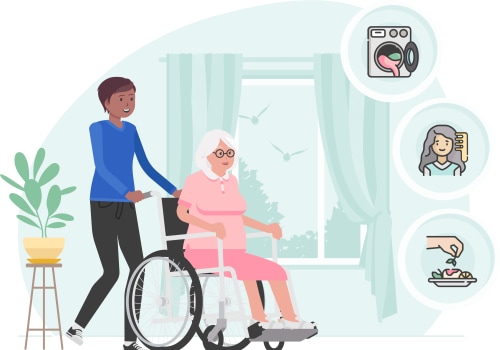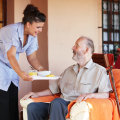
Home health and personal care aides monitor the condition of people with disabilities or chronic illnesses and help them with daily living activities. A home health aide, often referred to as an HHA, is a trained professional who provides personalized care to individuals in their homes. They assist clients with activities of daily living (ADLs), such as bathing, dressing, grooming, and mobility. Additionally, home health aides may provide basic medical support, administer medications, and help with light housekeeping duties.
Helping with personal activities, such as bathing, dressing and grooming Light housekeeping, such as doing laundry, washing dishes and changing the bed linens. It's important to adhere to the code of ethics for home health aides, which may include guidelines related to maintaining client dignity, promoting autonomy, and respecting cultural and religious beliefs. Depending on how a particular organization defines the roles, there can be a small amount of overlap in responsibilities. Home health aides play a vital role in improving the quality of life for their clients by enabling them to maintain their independence and receive care in the comfort of their own homes.
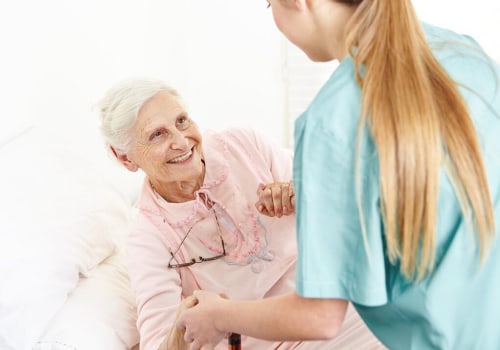
A home health aide can help you with daily activities while you're a CenterWell Home Health patient receiving skilled nursing or therapy care. Having the companionship of a home health aide can alleviate those symptoms, and help prevent the physical manifestations associated with depression. Through expert support and compassionate care, she took control of her health and regained independence. Continuing education and professional growth are essential for home health aides to stay updated with best practices and advancements in the field.
To become a home health aide, individuals must meet certain qualifications and undergo specific training. Home health aides also help with more complex activities, referred to as instrumental activities of daily living. Staying up to date with the latest advances in healthcare and attending training programs helps home health aides acquire new skills and knowledge. If you or a loved one has a health condition that makes it difficult to perform activities of daily living or instrumental activities of daily living, talk with your healthcare provider.
They bridge the gap between healthcare professionals and individuals who require assistance but prefer to receive care in their own homes. By effectively communicating with clients, families, and healthcare professionals, accurately documenting and reporting information, and maintaining privacy and confidentiality, home health aides can uphold the highest standards of care and contribute to the well-being of their clients. These skills enable them to provide quality care to their clients, collaborate with families and healthcare professionals, and ensure the privacy and confidentiality of sensitive information. As a home health aide, it is essential to be proactive in identifying and addressing potential hazards within the client's home.